
A pod system vape can offer a compact device format, but for European wholesalers, distributors and importers the sourcing decision should begin with the exact pod and device configuration—not just the product category. A change in pod capacity, refill format, e-liquid formulation or packaging can affect the documentation and market checks required.
EU-level rules sit alongside national measures, and the regulatory landscape continues to evolve. The European Commission’s 2026 review noted continuing differences between Member States in areas such as flavours, packaging and disposable e-cigarettes. Buyers should therefore validate each SKU for each destination country before ordering.
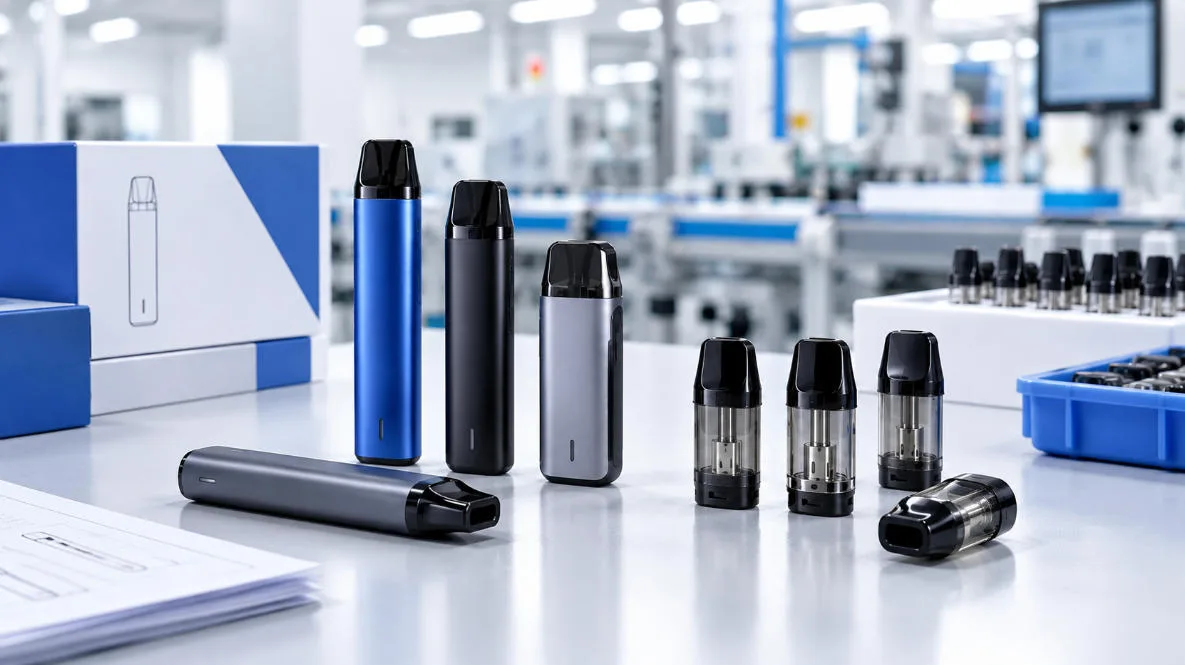
Start with the product configuration
Ask the supplier to identify whether the system uses refillable pods, prefilled cartridges or another configuration, and whether the offered version contains nicotine. Request the technical specification for the exact model, including the pod or cartridge capacity, refill mechanism, battery, materials, ingredients and relevant emissions data.
A catalogue image or a broad statement that a device is “EU ready” is not enough. The specification, packaging and notification information should refer to the same version of the product.
Core EU checks for pod system vape products
- TPD scope: determine whether the product falls under the e-cigarette and refill-container provisions of Directive 2014/40/EU and identify any other applicable legislation.
- Nicotine concentration and volume: where the TPD limits apply, verify nicotine concentration and the applicable maximum capacities for cartridges, tanks and refill containers.
- Leakage and child safety: review evidence for child-resistant and tamper-evident features and, for refillable designs, a mechanism that permits refilling without spillage.
- EU-CEG notification: confirm that the responsible manufacturer/importer has submitted the required product information to the relevant Member State authorities before placing the product on the market.
- Labels and leaflets: check the ingredient list, nicotine content, dose-delivery information where required, batch number, child-safety information, health warning and user leaflet.
- Country-specific requirements: check language rules, advertising and online-sales restrictions, local taxes, flavour restrictions and restrictions on particular device categories.
Notification, documentation and product changes
Under Article 20 of the TPD, manufacturers and importers submit information on relevant products to the authorities in the Member States where they intend to market them. The general notification timetable is six months before intended placement on the market; a substantial product modification can require a new notification. Ask for evidence that is specific to the model and market rather than relying on a supplier’s general compliance statement.
EU-CEG is a technical submission platform, not a universal approval certificate. Product notification does not replace checks on national restrictions, packaging, taxes, advertising, consumer information or other applicable rules.
Assess the supplier beyond the sample
Request a controlled specification sheet, quality-control plan, batch coding, inspection records and a process for managing complaints and corrective action. Confirm who is the legal manufacturer, who is the importer into the EU and who will keep the relevant product records. If private labelling is planned, clarify whether placing the product under your own name or trademark changes your regulatory responsibilities.
Ask the supplier to disclose changes before production: a new pod, a different e-liquid, a modified tank or new packaging can affect the product’s identity or compliance assessment. The purchasing contract should require advance notice and approval for changes that affect the agreed specification.
Wholesale procurement checklist
- Map the destination countries and channels before choosing SKUs.
- Confirm whether the pod is prefilled or refillable and record the exact configuration.
- Review relevant notification details and supporting technical documents.
- Check packaging artwork and local-language requirements.
- Verify restrictions on flavours, online sales, promotion, tax and waste obligations in each market.
- Agree on traceability, non-conformity reporting, corrective action and recall procedures.
Frequently asked questions
Are all pod system vape products subject to the same EU requirements?
No. Requirements depend on the product configuration, nicotine status and applicable legal framework, while national measures can add further restrictions.
Can a supplier’s compliance statement replace technical documents?
No. A statement can be useful, but buyers should request model-specific specifications, notification evidence and supporting records that can be checked.
What if the supplier changes the pod after the first order?
Pause approval until the change is assessed. Confirm whether the revised configuration affects product notification, testing, labelling or eligibility in the target markets.
Make compliance part of supplier selection
For European wholesalers, distributors and importers, a dependable pod system vape supply chain combines clear specifications, verifiable documentation and disciplined change control. Verify the exact model and each target market before committing to volume.
Official references: Directive 2014/40/EU; European Commission: Electronic cigarettes; EU-CEG FAQ.